Abstract Simple Summary Next-generation sequencing (NGS) is a powerful tool used in genomics research. NGS can sequence millions of DNA fragments at once, providing detailed information about the structure of genomes, genetic variations, gene activity, and changes in gene behavior. Recent advancements have focused on faster and more accurate sequencing, reduced costs, and improved data.
Next generation sequencing data storage and management solutions
How to interpret next generation sequencing results
Interpretation of NGS reports should be a joint effort between molecular pathologists, tumor biologists and clinicians. Rather than relying and acting on the information provided by the NGS report, oncologists need to obtain a basic level of understanding to read and interpret NGS results.
Understanding ngs data analysis pipelines for beginners
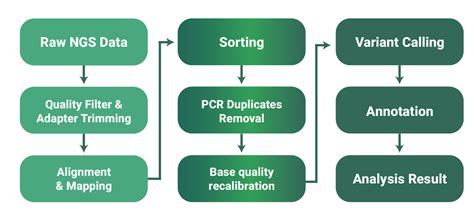
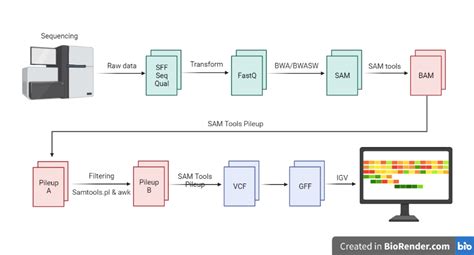
This guide walks you through the key steps in NGS data analysis, providing command-line examples to showcase the real-world applications of computational tools.
Next generation sequencing applications in genomics research
This review provides a comprehensive overview of NGS technology, highlighting its transformative impact in various fields, including clinical genomics, cancer research, infectious disease, surveillance, and microbiome analysis.
Best tools for visualizing next generation sequencing data
With just a click, get the visualization you need for the next generation sequencing data you have. Annotated genomes, circular genomes, mapped reads, contigs are all displayed in our highly customizable sequence view.
What is next generation sequencing and how does it work