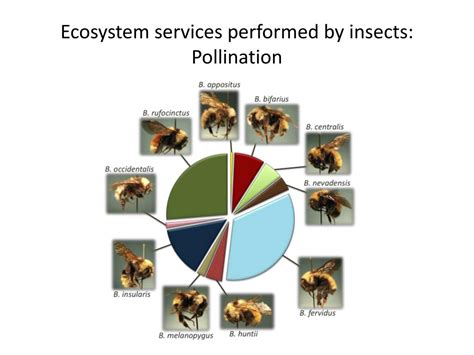
Ecosystem services underpin all dimensions of human wellbeing. As a consequence it is crucial to integrate ecosystem services into strategies for achieving Sustainable Development Goals (SDGs). Because insects and other invertebrates have profound and well-identified influences on many ecosystems services (e.g. pollination and biological control) and SDGs (e.g. crop pest and disease vectors.
Understanding insect ecosystem services: a beginners guide
Insects provide four main types of ecosystem services: provisioning, regulating, supporting, and cultural services. They directly and indirectly engage with their environment, enhancing crop production and nutrient recycling through their interactions.
The role of insects in pollination and ecosystem services
However, insects and other invertebrates are also vital components of ecological webs and provide key ecosystem services such as pollination and seed dispersal in food systems, carbon sequestration in soils, organic matter recycling and water filtration (Schowalter, ).
Insect ecosystem services: threats and conservation strategies
Insects (from Latin insectum) are hexapod invertebrates of the class Insecta. They are the largest group within the arthropod phylum. Insects have a chitinous exoskeleton, a three-part body (head, thorax and abdomen), three pairs of jointed legs, compound eyes, and a pair of antennae.
How insects contribute to food security through ecosystem services
Insect ecosystem services: why insects are vital for environmental health
Insects pollinate crops, recycle nutrients, and control pests, but many species face extinction. Learn why they matter and how to help protect them. Because insects and other invertebrates have profound and well-identified influences on many ecosystems services (e.g. pollination and biological control) and SDGs (e.g. crop pest and disease vectors), insect research and development have a great potential to address current global challenges.
Top 5 insect species providing critical ecosystem services
However, insects and other invertebrates are also vital components of ecological webs and provide key ecosystem services such as pollination and seed dispersal in food systems, carbon sequestration in soils, organic matter recycling and water filtration (Schowalter, ).