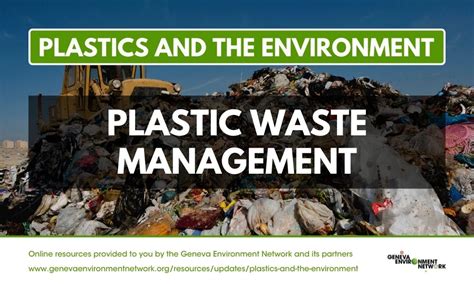
This study offers a comprehensive analysis of plastic waste generation, its sources, current management practices, and its environmental impacts, along with mitigation measures.
Effective waste management strategies for reducing plastic pollution
Best practices for addressing plastic waste include regulatory and policy interventions, measurement, behavioral and educational campaigns, partnerships, and innovation.
Plastic pollution solutions: innovative approaches to waste management
It evaluates sustainable disposal methods that minimize ecological impacts and discusses advancements in recycling technologies and solutions to control plastic pollution.
How individuals can reduce plastic pollution in their daily lives
This webpage hosts tips for reducing, reusing, and recycling plastic waste in your life.
How plastic pollution affects marine life and ocean ecosystems
What impact is plastic having on the ocean? The ocean is perhaps the most vulnerable environment to plastic waste. Once plastic enters the sea, it has no boundaries – waves and storms can carry plastics to even the furthest reaches of the ocean, where they accumulate into large gyres on the high seas or become embedded in shorelines and delicate coastal ecosystems; they’ve even been found. The Multifaceted Threat of Ocean Pollution Ocean pollution, a complex web of contaminants entering our seas, poses a severe and multifaceted threat to the delicate balance of marine ecosystems. From the microscopic to the colossal, marine life is suffering under the weight of plastic debris, chemical runoff, noise pollution, and more. Understanding the diverse impacts of these pollutants is.
The role of recycling in combating plastic pollution worldwide
Increasing plastic waste is a critical global challenge to ecological and human health requiring focused solutions to reduce omnipresent plastic pollution in the environment. While recycling has.
Government policies addressing plastic pollution and waste management